Scanning electron microscopy
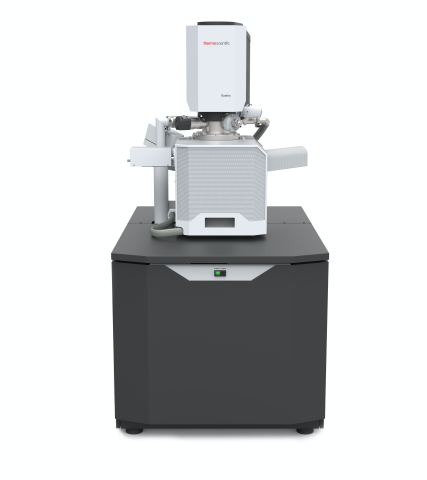
Thermo Scientific Quattro S
Examine surfaces, fracture features, and microstructure using scanning electron microscopy (SEM).

Led by Professor Peter Hosemann at UC Berkeley, we study how radiation, heat, corrosion, and mechanical loading change structural materials. Our experiments connect material degradation to the design of components for fission, fusion, and other energy systems.
We investigate how irradiation changes defect populations and microstructure, and how those changes affect hardening, swelling, and fracture. Controlled ion irradiation helps isolate mechanisms and evaluate candidate structural materials.
We study how structural alloys interact with lead-bismuth eutectic and other liquid metals. Experiments examine corrosion kinetics, oxygen chemistry, and liquid metal embrittlement to inform alloy selection and operating conditions.
We develop nanoindentation, micropillar compression, and microtensile tests to measure deformation and fracture in small material volumes. These methods help evaluate irradiated specimens and resolve local microstructure–property relationships.
We evaluate oxide dispersion strengthened steels, silicon carbide composites, refractory metals, and high-entropy alloys for nuclear applications. Characterization and mechanical testing reveal how processing and exposure affect their performance.
We investigate how additive manufacturing and joining processes shape microstructure and mechanical properties. Projects include additively manufactured steels, refractory materials, and compositionally graded components, with connections to Berkeley’s Manufacturing 360 partnership.
We are developing a Reactor Pressure Vessel (RPV) Steel Irradiation Database to organize historical post-irradiation examination data. Curating these records supports comparisons across irradiation campaigns and analysis of material degradation.
Our experiments combine microstructural, mechanical, and thermal measurements. The instruments below are the in-house characterization tools used in our work.
Thermo Scientific Quattro S
Examine surfaces, fracture features, and microstructure using scanning electron microscopy (SEM).
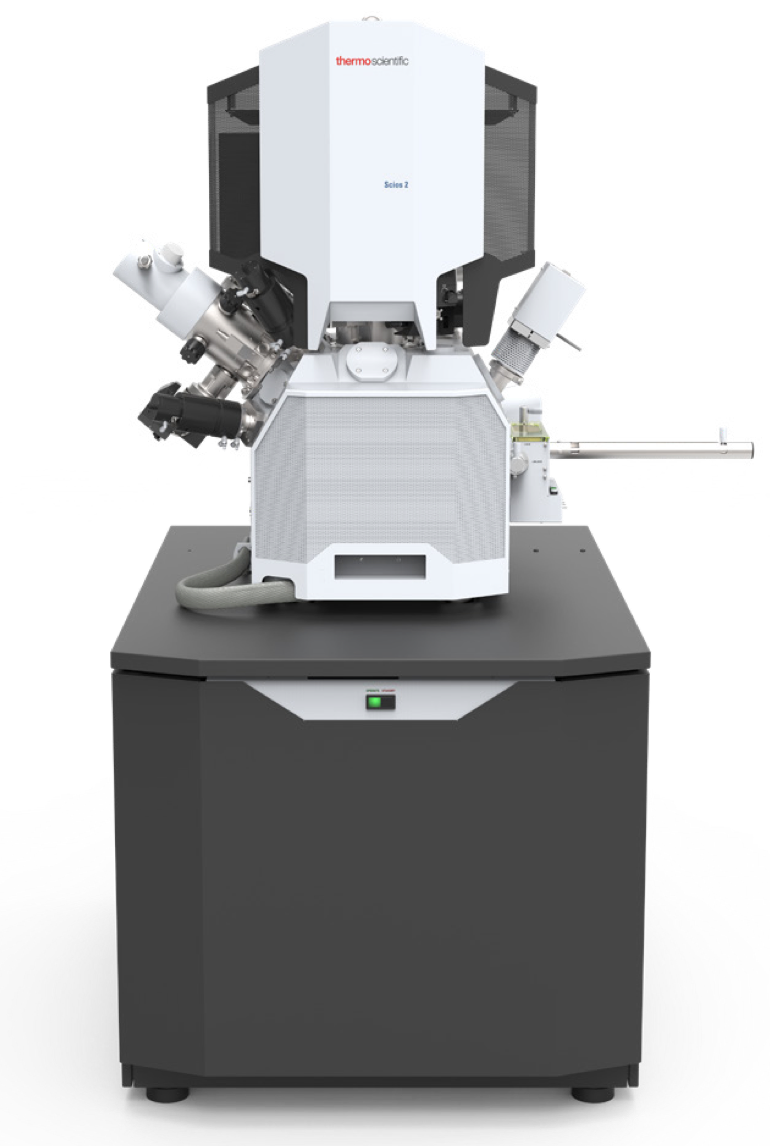
Thermo Scientific Scios 2 DualBeam FIB-SEM
A coupled focused ion beam (FIB) & SEM system enables high-precision 3D characterization and fast, high-quality transmission electron microscopy (TEM) sample preparation.
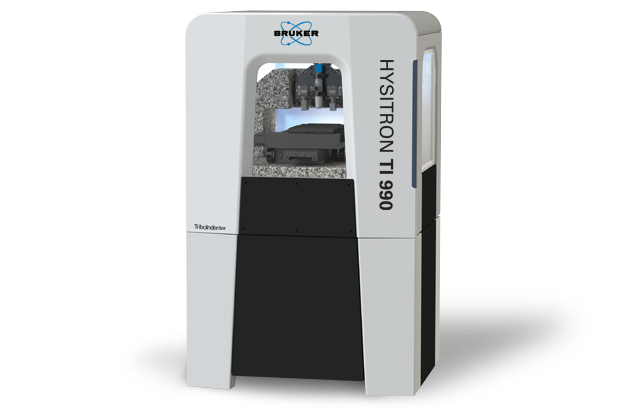
Bruker Hysitron TI 990
Measure local hardness and elastic response to study variations across phases, processed regions, and irradiated layers.
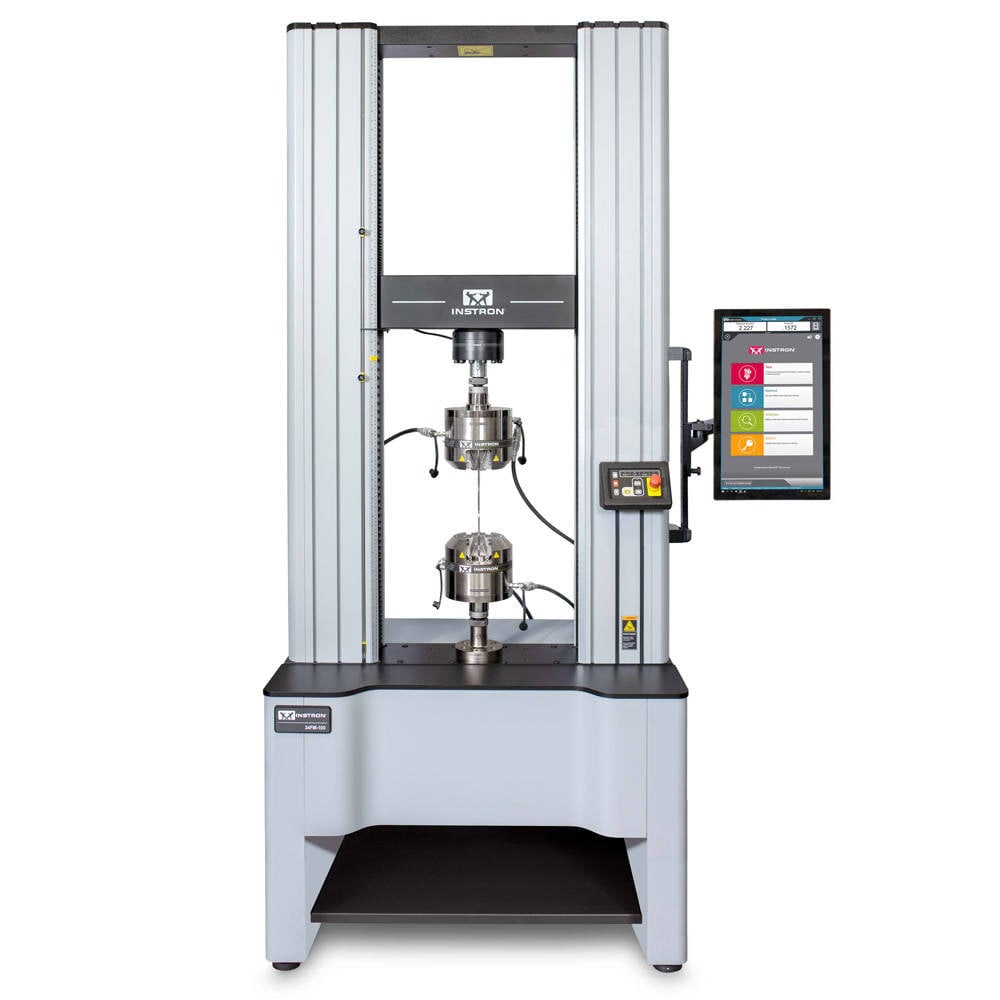
Instron 34TM-50
Measure load and displacement during tensile testing to characterize strength, ductility, and deformation.
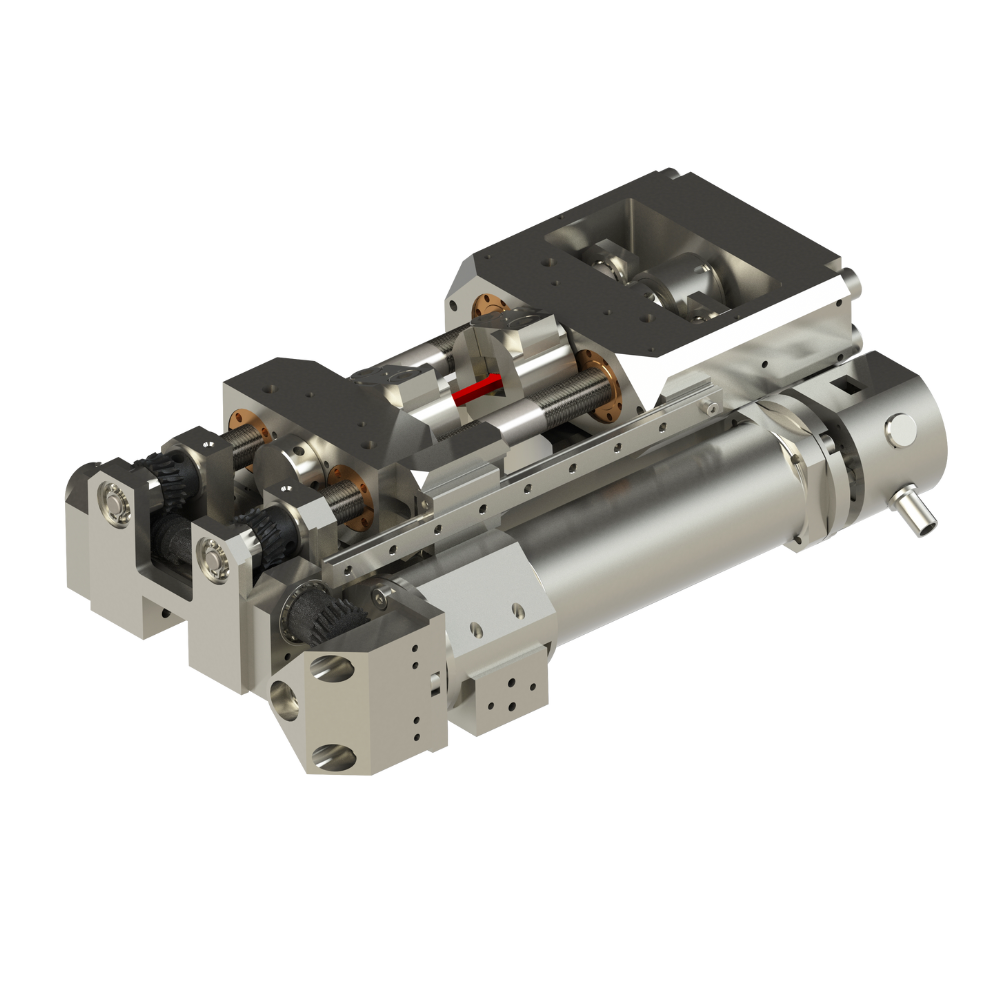
Kammrath & Weiss Tensile & Compression Module
Conduct in-situ tensile/compression tests to observe microstructural changes during deformation across multiple length scales.
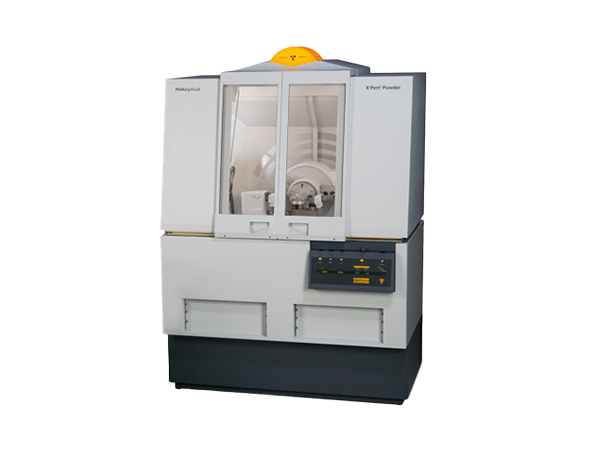
PANalytical X’Pert PRO
Identify crystalline phases and investigate crystal structure to connect processing with material changes.
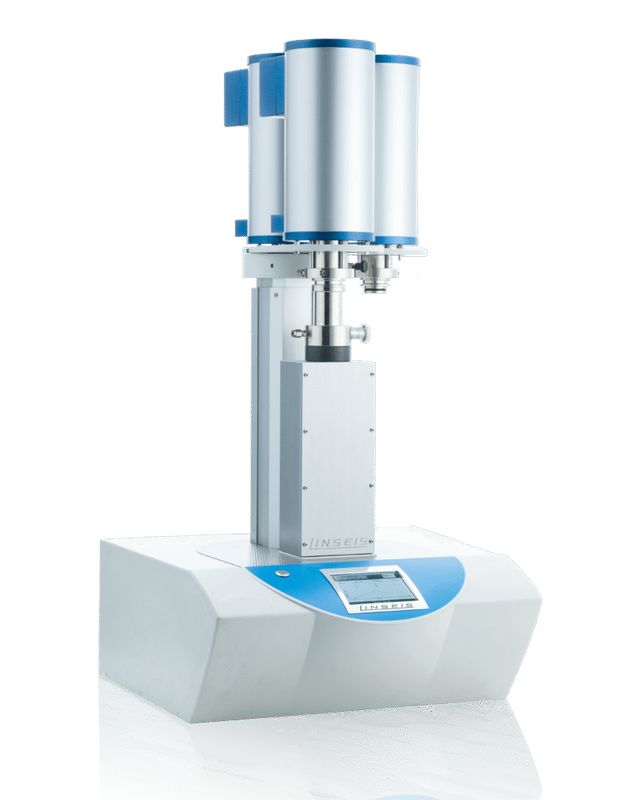
Linseis DIL L75 series
Track dimensional changes during heating and cooling to investigate thermal expansion and phase transformations.
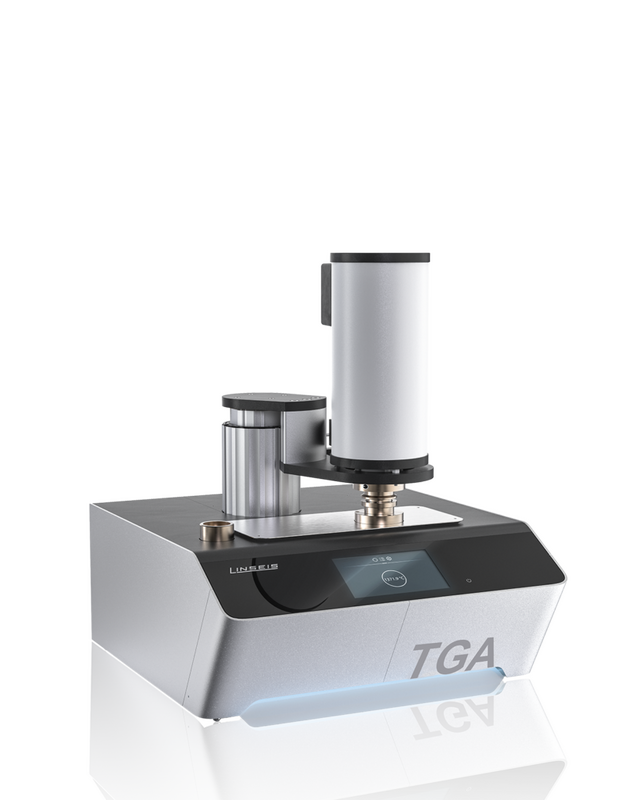
Linseis TGA L81
Investigate thermal transitions and changes in mass during controlled temperature programs.
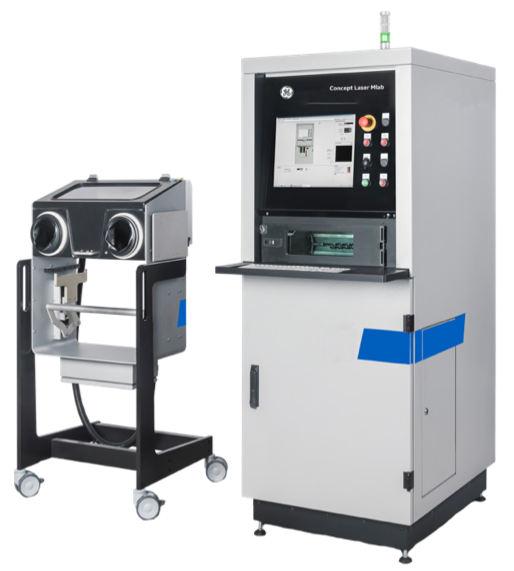
Concept Laser MLab
Create additively manufactured parts from a variety of alloy powders or conduct single-track and surface laser treatment experiments.
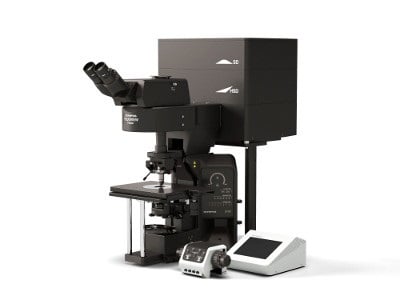
Evident FluoView FV3000
Enables high-resolution 3D imaging and analysis of surface features, microstructures, coatings, interfaces, and defects in metals, ceramics, composites, and other engineered materials.
Our work also draws on UC Berkeley’s Materials Characterization Facility (MCF) and collaborations with national laboratories. Ion irradiation, electron microscopy, atom probe tomography, and access to neutron-irradiated specimens complement the measurements shown here.
Inquire about a project →Research and industry
Our group is home to and helps lead Manufacturing 360, a UC Berkeley partnership connecting industry with faculty, students, and research resources. The program brings together manufacturing research, technical services, and education.
Explore Manufacturing 360 →Featured project
The research aims to understand the relationship between the manufacturing process, microstructure, and mechanical properties of grade 91 ferritic/martensitic steel produced via the Directed Energy Deposition Laser technique. The study involved testing miniature-sized samples through various mechanical tests and microstructure characterization methods. The results showed that the microstructure consisted mainly of martensite grains with some δ-phase, and the observed metallurgical pores decreased with increasing distance from the cold build platform due to changes in phase composition and dislocation density.
Read about the research →
Group lead
Professor and Ernest S. Kuh Chair in Engineering
Vice Chair, Equity & Inclusion
Peter Hosemann received his Dipl.-Ing. (M.S.) and Dr. mont. (Ph.D.) degrees in Material Science from Montanuniversität Leoben, Austria. He began his research career at Los Alamos National Laboratory in 2005 and continued there as a postdoctoral researcher from 2008 to 2010. He has held research appointments at international laboratories, including the Paul Scherrer Institute in Switzerland. His work focuses on radiation-induced degradation mechanisms in structural materials used in nuclear fission, fusion, and spallation environments, with direct implications for engineering design and reactor safety.

Researches additive manufacturing of materials for extreme environments, including steels, titanium alloys, and tungsten.

Develops high-entropy alloys for plasma-facing components in fusion reactors, in collaboration with Lawrence Livermore National Laboratory.

Studies fracture in metallic materials using electrodeposited nickel-based systems and additive manufacturing. Combines fracture toughness testing, microscopy, and finite-element modeling to examine crack behavior across length scales.


Studies the micromechanical properties of nuclear materials. Holds a B.S. in Materials Science and Engineering from Cornell University.

Studies micromechanical properties of nuclear reactor materials, particularly silicon carbide, using femtosecond laser machining, microtensile testing, nanoindentation, and microscopy.
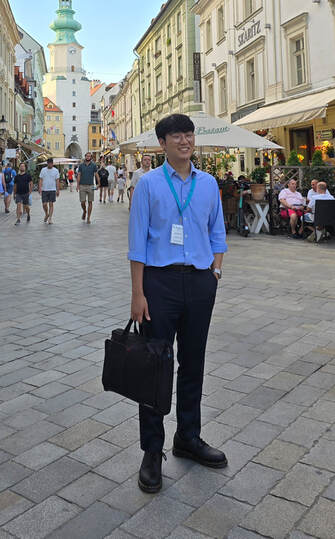
Researches metallic glasses, nanomechanical properties, and helium-ion irradiation response.

Investigates the mechanical behavior of oxidized grain boundaries in structural materials for pressurized water reactors, with an interest in corrosion mechanisms and crystal structure–property relationships.
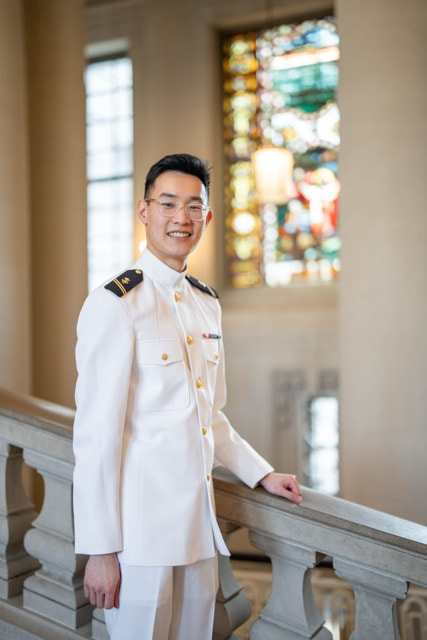
Studies development and characterization of additively manufactured stainless steel lattices for shock absorption.

Researches materials for fusion energy applications, focusing on fracture properties, additive manufacturing, and structural materials.



Explores reactor hydraulics, nuclear materials, physics, and engineering systems for nuclear energy technologies.

Studies materials for fusion energy, including micromechanical testing and characterization of tungsten alloys.

Worked on nuclear fuels, structural materials, laser annealing, irradiation-corrosion interactions, and fusion materials. Now pursuing a PhD at UCSD while working at General Atomics.

Interested in materials for extreme aerospace and nuclear environments, especially refractory high-entropy alloys.
Representative work in radiation damage, corrosion, mechanics, and manufacturing. View Peter Hosemann’s publication list on Google Scholar →
International Materials Reviews, 2021
Materials & Design, 2016
Materials & Design, 2016
Journal of Nuclear Materials, 2012
Journal of Nuclear Materials, 2010
Scripta Materialia, 2018
Journal of Nuclear Materials, 2022